

What Can I do with my Model
Official Information about flying UAV's

Link to the Academy of Model Aeronautics Special Interest Groups

 FAA Guidelines on Flying Model Airplanes
FAA — Unmanned Aircraft Systems
Greg Carter - Blog Author about UAV
Connect with Greg at [email protected]
Lastest UAV Blog Post
view below
Unmanned Aircraft Systems (UAS) Registration
Source: FAA If you own a drone, you must register it with the Federal Aviation Administration’s Unmanned Aircraft System (UAS) registry. A federal law effective December 21, 2015 requires unmanned aircraft registration, and you are subject to civil and criminal penalties if you do not register. What’s covered by the new registration system? Q. Who is required to register on the new online UAS registration website? A. Only individual recreational or hobby users who meet U.S. citizenship requirements are able to register their unmanned aircraft using this new streamlined web-based process. This new, faster and easier system will be available for other UAS owners soon. Q. Which unmanned aircraft may register under the new registration requirements? A. Unmanned aircraft weighing less than 55 pounds and more than 0.55 pounds (250 grams) on takeoff, including everything that is on board or otherwise attached to the aircraft and operated outdoors in the national airspace system must register. These aircraft may register under the new web-based registration system. More information can be found: FAA website...
FAA: Fly Safe With Your Drone
Source: FAA Did you know you’re also going to become a pilot? When you fly your drone anywhere in the nation’s airspace, you automatically become part of the U.S. aviation system. Under the law, your drone is an aircraft. So while the rules for drones may be different, you have the responsibility to operate safely, just as a Cessna or 747 pilot does. ...
AMA’s Response to the U.S. DOT announcement
Source: The Washington Post Federal regulators to require registration of recreational drones Source: AMA Dear Members, As you might be aware, in a press conference on Monday October 19, 2015, the U.S. Department of Transportation (DOT) announced its intent to require registration for certain small unmanned aircraft systems (sUAS). Led by Transportation Secretary Anthony Foxx and FAA Administrator Michael Huerta, a concept was laid out calling for the creation of a task force to develop a plan to implement the registration process. AMA was represented at the press conference by Government and Regulatory Affairs Representative Rich Hanson who offered comments on behalf of our organization. Representatives from the Association for Unmanned Vehicles Systems International (AUVSI) and the Air Line Pilots Association also provided input. A video of the press conference can be found here. AMA has also been invited to participate in the task force which has been charged with completing its work by mid-November 2015. The DOT is looking at the full spectrum of sUAS that would be subject to registration, and AMA agrees that registration may be appropriate at some level; however, before the process can be established, AMA believes that a threshold must be identified that will determine which platforms, what aircraft with what capabilities, will require registration and which will not. AMA believes that traditional model aircraft, as well as the “toy-type” drones with minimal capability would fall below the threshold and not be subject to the registration process. In a prepared statement released yesterday, AMA was clear in its position that any required registration process “should not become a prohibitive burden for recreational users...
F3Expo is the world’s first drone technology and lifestyle event of its kind.
Nov 12-15 2015 ATLANTA, GA Georgia Dome & Georgia World Congress Center...
Qualcomm says its new chip will make high end drones cheaper than flagship smartphones
Source: Ben Popper via The Verge The market for consumer drones is exploding, projected to grow from $105 million this year to $1 billion by 2018. These flying robots are allowing the average consumer to capture Hollywood-caliber aerial footage and dramatically raising the bar for what qualifies as a cinematic selfie. But the average 4K camera drone these days is still about $1,200, with a battery that lasts just 20 minutes, two drawbacks that limit their mass appeal. Enter Qualcomm, the chip maker whose Snapdragon processors power the vast majority of today’s high-end smartphones. It recently announced that it will produce a modified version of this chipset optimized for drones, the Snapdragon Flight. Raj Talluri, the engineer and executive in charge of the project, says it could be the first step toward making high-quality drones as mainstream as digital cameras used to be. “We believe that, with this chip, we can cut the price of the average 4K camera drone from $1,200 down to $300 or $400. And we think we can extend the battery life from 20 minutes to 45 to 60 minutes,” says Talluri. “That will open them up to a much broader audience and a whole new range of applications.” DRONES ARE THE PEACE DIVIDEND OF THE SMARTPHONE WARS Drones may never be as ubiquitous as smartphones, but the two devices do have a lot of similarities. Chris Anderson, former editor ofWired and current CEO of drone startup 3D Robotics, has said that “drones are the peace dividend of the smartphone wars.” By that he means there is a broad overlap in terms of the central components, and that the...
10 Things to Check Off Before Flying Your Drone for the First Time
Source: Michael Archambault, PetaPixel Drones present an exciting new world of possibilities for photographers looking to explore and capture their world. Never before has aerial photography been as accessible to the masses as it currently is thanks to companies such as DJI. However, to quote a line from Spiderman: “With great power comes great responsibility.” Drones can be dangerous if not used properly, and it is important to know the basics before taking off with your drone. #1: Understand Your Drone’s Limitations Start by learning what your drone is capable of achieving and what limitations it may possess. Important information to know is how fast your drone can ascend and descend, along with its maximum speed and altitude. Hover accuracy is also important so that you can understand how far your drone may drift when told to maintain its position. Also, be aware of the temperatures your drone can operate within. Come winter, many drone owners should be packing their aircrafts away for a short hibernation. For example, DJI’s Phantom 3 aircraft should not be flown when temperatures drop below freezing. #2: Research Federal Drone Regulations Within the United States, the Federal Aviation Administration (FAA) has yet to develop a full set of regulations for drones, but there are currently a few ideas in place. Do not fly your drone above 400 feet at any time — this is to ensure the safety of all other aircrafts in the sky. Also, be sure to stay at least five miles away from any local airports unless you contact the airport and control tower for permission. The FAA also lists advice that...
No Drone Zone
Well, it seems everybody is taking shots at the unmanned aerial vehicle (UAV) phenomenon, in particular, the so-called drone. The media has been able to capture our attention with the potential crash of an airliner by a drone. However one pilot said, “Fear of drones crashing into passenger planes is ‘much ado about nothing’ says airline pilot.” Most of these hobby drones are under 4 pounds, and many pilots have hit birds weighing up to 10 pounds with no real damage. Still the fear of the unknown exists. There is also the next door neighbor who may threaten to shoot your drone down if it invades their privacy. Well, many have gone to jail by committing the act. Source Property Casualty 360, “Shooting down drones” is all over the news lately. A Kentucky man used “Number 8 birdshot” to shoot down a multi-rotor over his backyard. A Modesto marksman shot down a drone over his neighbor’s farm. A New Jersey Man hit the news for doing the same thing.” All aviation regulations apply to drones. Hobbyist drone flights are permitted only under the FAA’s guidelines. Commercial drone flights are allowed only for a Section 333 Exemption or similar approval. You should know before you fly and that is the way things are until the FAA finalizes its “ small drone,” or “sUAS” rule. To be safe, in many of the regulations the term “nationwide community-based organization” is intended to mean a membership-based association that represents the aeromodelling community (ex. Academy of Model Aeronautics, AMA) within the United States; provides its members a comprehensive set of safety guidelines that underscores...
AMA responds to FAA drone sighting report
http://amablog.modelaircraft.org/amagov/2015/09/14/ama-responds-to-the-faas-drone-sighting-report/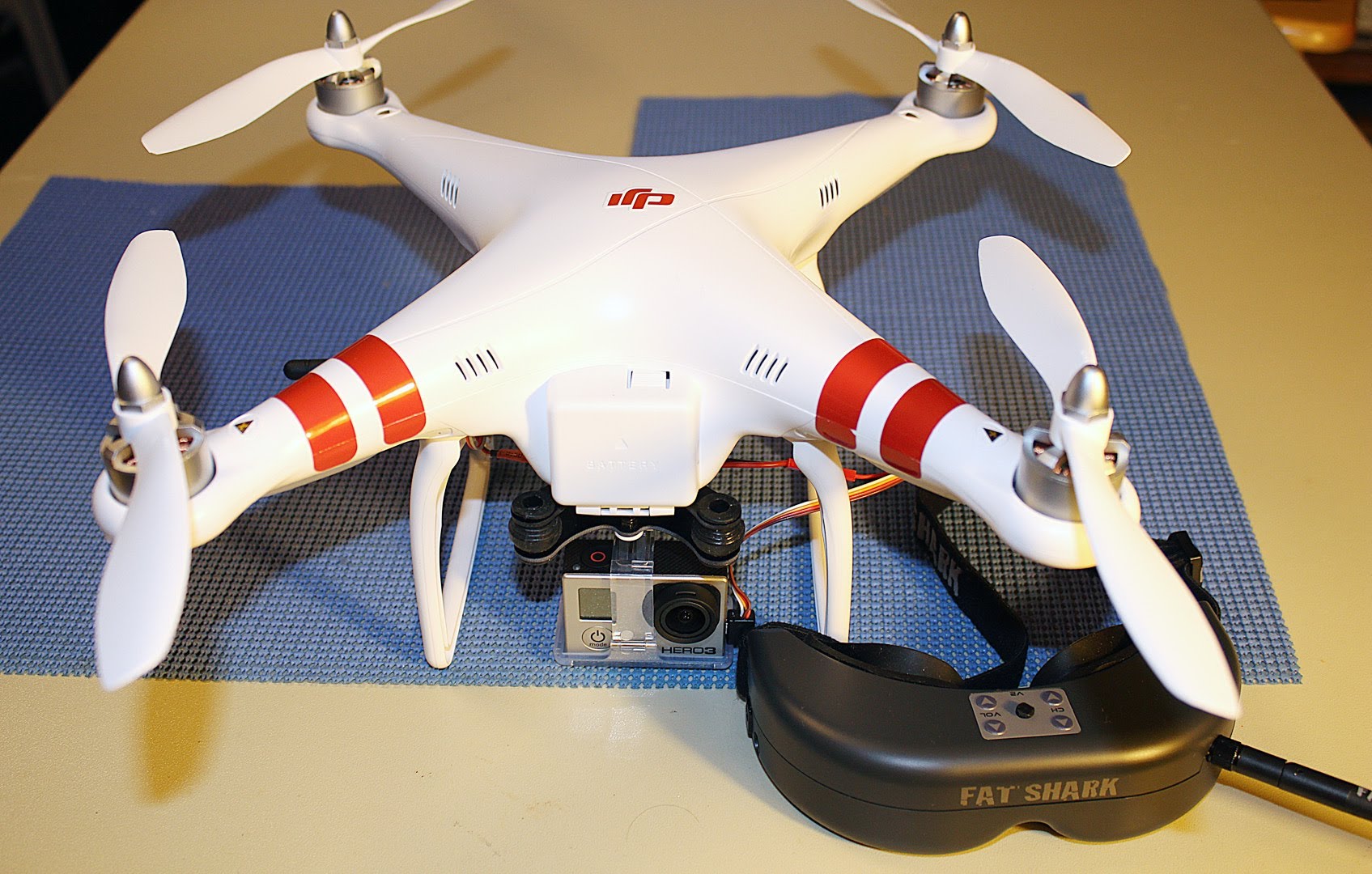
Drone Hobbyist finds flaws in FAA report
http://www.usatoday.com/story/news/2015/09/13/drone-reports-faa-close-call-near-miss-academy-model-aeronautics-/72064388/